About Somali Public Agenda (SPA)

Better Governance for Brighter Somalia

Somali Public Agenda is a non-partisan and non-profit public policy and administration research organization based in Mogadishu. Its aim is to advance understanding and improvement of public administration and public services in Somalia through evidence-based research and analysis.

At Somali Public Agenda, we believe that all Somalis deserve better public services including access to affordable education, healthcare, housing, security and justice delivered via transparent and accountable authorities.
Research Reports

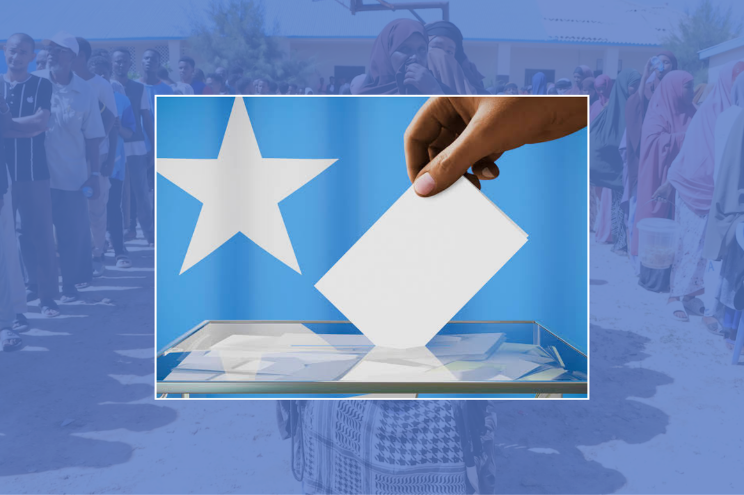
Somalia’s constitutional and electoral transition is unfolding amid significant political uncertainty. Public debate remains largely elite-driven, with limited systematic evidence on how citizens understand democratic principles, electoral legitimacy, political mediation, and government accountability. This study addresses that gap through a May-June 2026 public opinion poll conducted across Mogadishu and five Federal Member State capitals, reaching 928 respondents. The analysis examines which democratic principles citizens prioritize, which actors they trust to mediate political disputes, which institutions they trust to manage or oversee elections, and which issues they want political leaders to communicate about more openly.

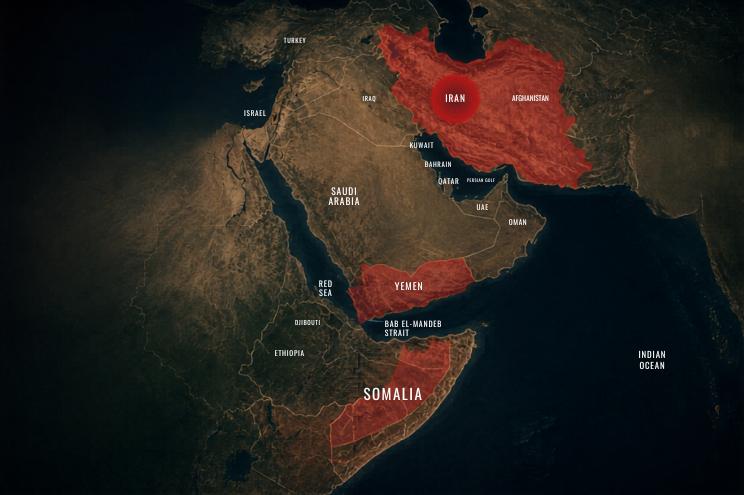
Despite the restricted time frame and geographical scope of the US-Israel war on Iran, its impacts have been profound and far-reaching. Somalia, one of the most import-dependent states in the world, heavily relies on international support for both its economy and security. Consequently, it was anticipated that the war would lead to severe and swift repercussions for the country. This study has explored the implications of the ongoing US-Israel war on Iran in Somalia, with a particular focus on its economic, security, and political repercussions. Within the limited period, the conflict has caused...

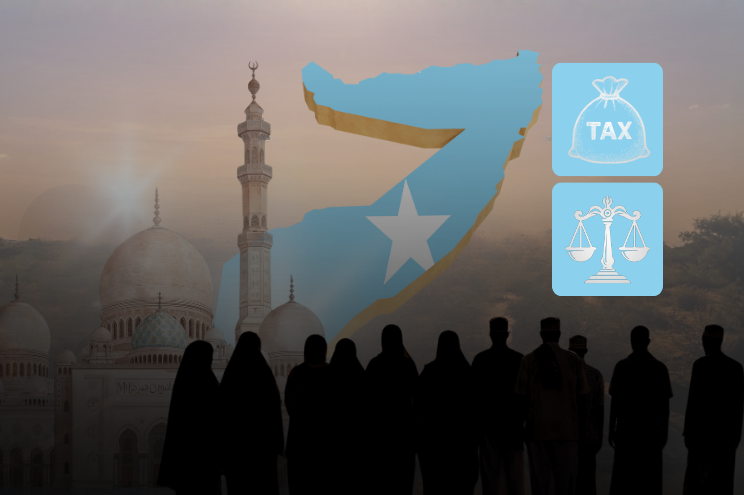
This study explored how religious interpretation, societal cultural norms, trust in government, colonial experiences, and perception of tax fairness influence tax compliance in Somalia. The study found that religious interpretations influence tax compliance. Furthermore, cultural and social norms shape taxpayers’ attitudes towards taxes. Finally, the findings show that historical legacies, distrust in taxation authorities, and unfair treatment also contribute to low levels of voluntary tax compliance.

Latest SPA Briefs, Policy Papers & Commentaries
Programmes
Title
.